Two years ago, if you'd asked me what I thought about artificial intelligence in fashion photography, I would've given you a skeptical answer. Today, it's one of the tools I use most in my daily workflow — not because it replaces what I do, but because it multiplies it.
This article is for fashion brand founders and entrepreneurs who keep hearing about AI everywhere, but aren't clear on what it actually means to apply it to their business without losing what makes their brand feel authentic.
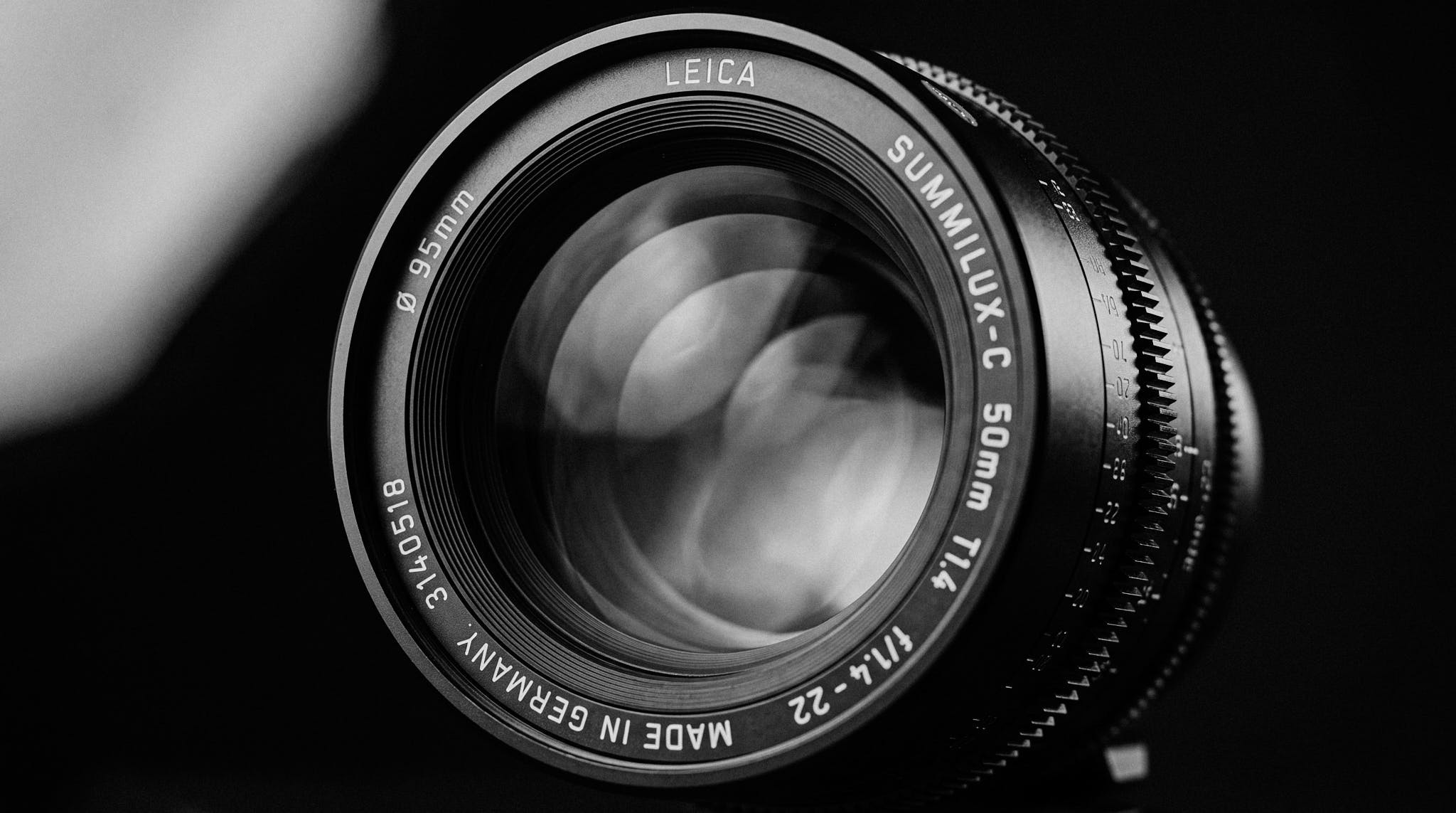
The wrong fear: "AI is going to replace creativity"
This is what I hear most often when talking to small and mid-sized brands: fear that using AI means generic, cold, soulless content. It's a valid fear — because most of what circulates on social media generated with AI and zero creative direction does, in fact, look that way.
But the problem isn't the tool. It's who's using it and how.
Artificial intelligence applied to fashion visual content isn't a button that magically generates campaigns. It's an instrument — like a camera, like Photoshop, like any tool that has ever existed in the history of creativity. The difference between a generic result and an exceptional one remains exactly the same as always: the judgment of whoever is directing it.
What AI can genuinely do for your brand today
After integrating tools like Midjourney, Kling, and Higgsfield into real projects for fashion and eCommerce brands, here's what genuinely changes the game:
1. Concepting campaigns before spending on production
Before scheduling an expensive photo shoot with models, location, and crew, I can generate precise visual references of the campaign concept using AI. This means the client sees exactly where the creative direction is heading before committing budget to production — eliminating the risk of spending on something that ends up misaligned with brand vision.
2. Multiplying the content from a single shoot
A traditional photo shoot gives you the images you captured that day. With AI tools, those same images can become the foundation for generating variations — different backgrounds, suggested angles, additional content for social media — without needing a second full shoot.
For a small brand with a limited budget, this is the difference between publishing content once a month and having a constant content flow.
3. Generated video to show product in motion
Kling and Higgsfield allow generating video content from still images — showing how a garment moves, how fabric falls, without needing a full video shoot with model and crew. For fashion brands, where fabric movement communicates quality, this is pure gold at a fraction of the cost.
4. Complementary content that extends the brand universe
Not all your feed content needs to come from a shoot. AI allows creating complementary visual pieces — textures, atmospheres, editorial moments — that reinforce brand visual identity between real shoots, keeping the feed active and consistent.
AI is the multiplier of good creative judgment. Applied to poor judgment, it simply multiplies the problem faster.
What AI can't do (yet, and maybe never will)
I'm a photographer before a technology evangelist, so let me be honest about the real limits:
- It can't direct a real model and capture that genuine human gesture that happens in a split second during a real shoot
- It doesn't understand your brand without a human with judgment giving it clear direction — without that direction, the result is generic, no matter how advanced the tool
- It doesn't replace the trust built by seeing real product photos on a real person, especially for brands that live on color accuracy, texture, and garment fit
- It doesn't build relationships — a premium client doesn't hire a tool, they hire someone who understands their vision
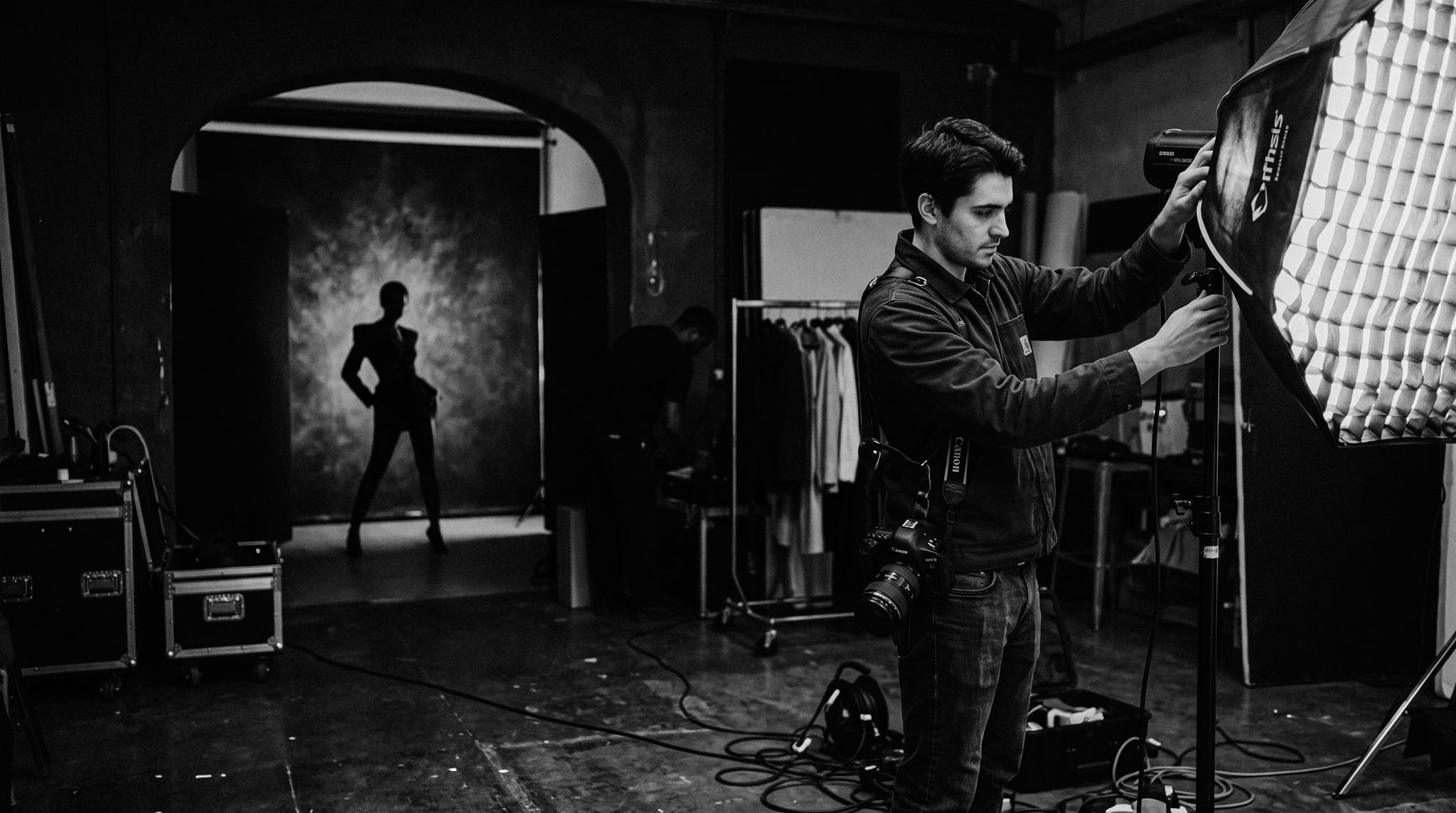
How to start integrating AI into your brand without losing authenticity
If you run a fashion business and you're considering integrating AI into your content production, here's the sequence I recommend:
Step 1 — Define your visual identity first, without AI.
Before generating anything, you need absolute clarity on how your brand looks and feels. AI amplifies what already exists — if there's no defined identity, it amplifies the chaos.
Step 2 — Use AI to concept, not to replace final production.
The stage where it adds the most value is pre-production: exploring creative directions fast and cheap before committing real budget.
Step 3 — Always combine with real content.
The brands using this best right now don't choose between traditional photography or AI — they strategically mix both. Real photos to build trust, AI content to maintain volume and visually experiment.
Step 4 — Work with someone who understands both worlds.
This requires someone who understands photography, creative direction, AND AI tools — not a generalist marketer nor just a prompt engineer. The intersection of those two worlds is still rare in the market, and that's exactly where the real value lives.
Why this matters more for small brands than big ones
Big brands have always had the budget to produce lots of content. The real shift AI brings is for entrepreneurs and mid-sized brands who previously had to choose between "quality" and "quantity" because they couldn't afford both.
Today, with the right AI integration in the production workflow, a small brand can visually compete with brands that have ten times its budget — as long as the creative direction behind it is solid.
That's the real democratization happening in the industry, and it's just getting started.
Does your brand want to integrate AI into its visual production without losing its identity?
I combine traditional photography direction with Midjourney, Kling, and Higgsfield to create content that scales without losing soul — for fashion, shapewear, and eCommerce brands across Colombia and the United States.
Let's talk about your next project