There's a massive difference between taking a photo of a garment and creating an image that makes someone want to wear it. After nine years directing fashion photography for brands in Colombia and the United States, that difference is the only thing that actually matters.
Fashion photography doesn't sell clothing. It sells a version of who you want to be when you put it on.
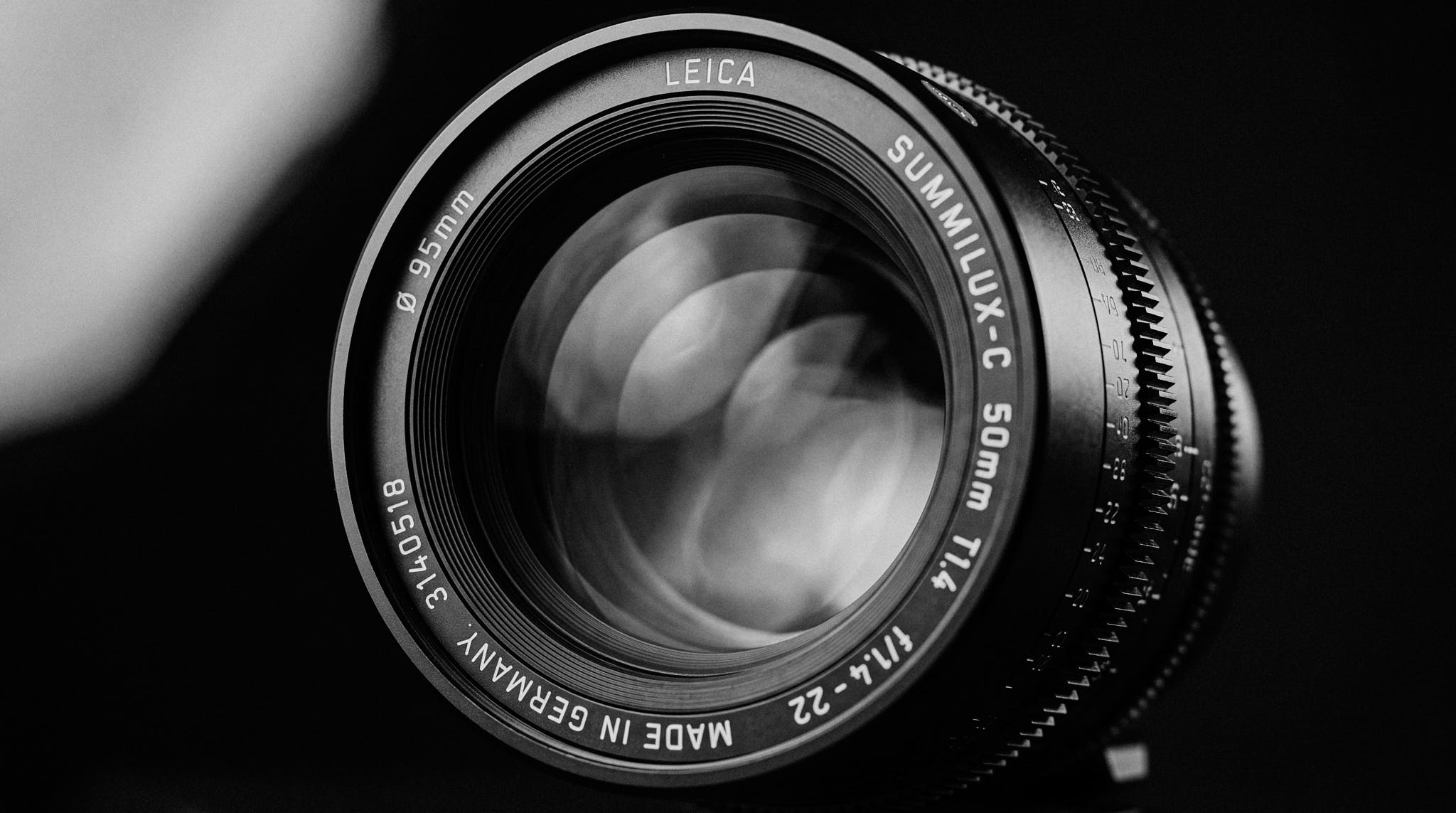
The most common mistake: photographing the product, not the feeling
Most brands — especially the ones just starting out — make the same mistake: they hire a photographer to "show the garment well." Good lighting, good framing, the product centered. Technically correct. Commercially invisible.
The problem is that this kind of image generates zero desire. People don't buy because they saw a well-lit garment. They buy because they pictured themselves wearing it in a specific moment of their life — a dinner, a first date, a trip, a more confident version of themselves.
When I direct a fashion shoot, the first question is never "how does the garment look?" It's: what story is this image telling, and who is the person living it?
Creative direction before camera technique
Something I learned working with shapewear and fashion brands exporting from Colombia to international markets: photography technique is the floor, not the ceiling. Anyone with enough practice can learn to handle light and composition. What separates a campaign that sells from one that just decorates a feed is the creative direction behind every shot.
That means working before the camera is even picked up:
- Define the mood — does this campaign feel intimate, powerful, playful, aspirational?
- Choose the visual narrative — every shoot needs an arc, even if it's only 6 images. It's not a collection of standalone photos; it's a sequence telling something.
- Cast with intention — the model isn't a face on a mannequin. They embody the brand's promise.
- Location as character — the background is never neutral. It communicates as much as the clothing itself.
When these four elements are aligned before the shoot, the camera work becomes almost mechanical — because you already know exactly what you're trying to capture.
What shooting shapewear for an exacting market taught me
Six years working with a Colombian shapewear brand exporting to the U.S. and Latin America taught me something no photography course ever covers: when the product sits against the body, there's zero margin for error. Lighting, pose, angle — everything has to communicate comfort and confidence simultaneously, without looking forced.
That kind of simultaneous technical and creative demand is what defines the difference between a catalog photographer and a true fashion director of photography. The first documents. The second builds desire.
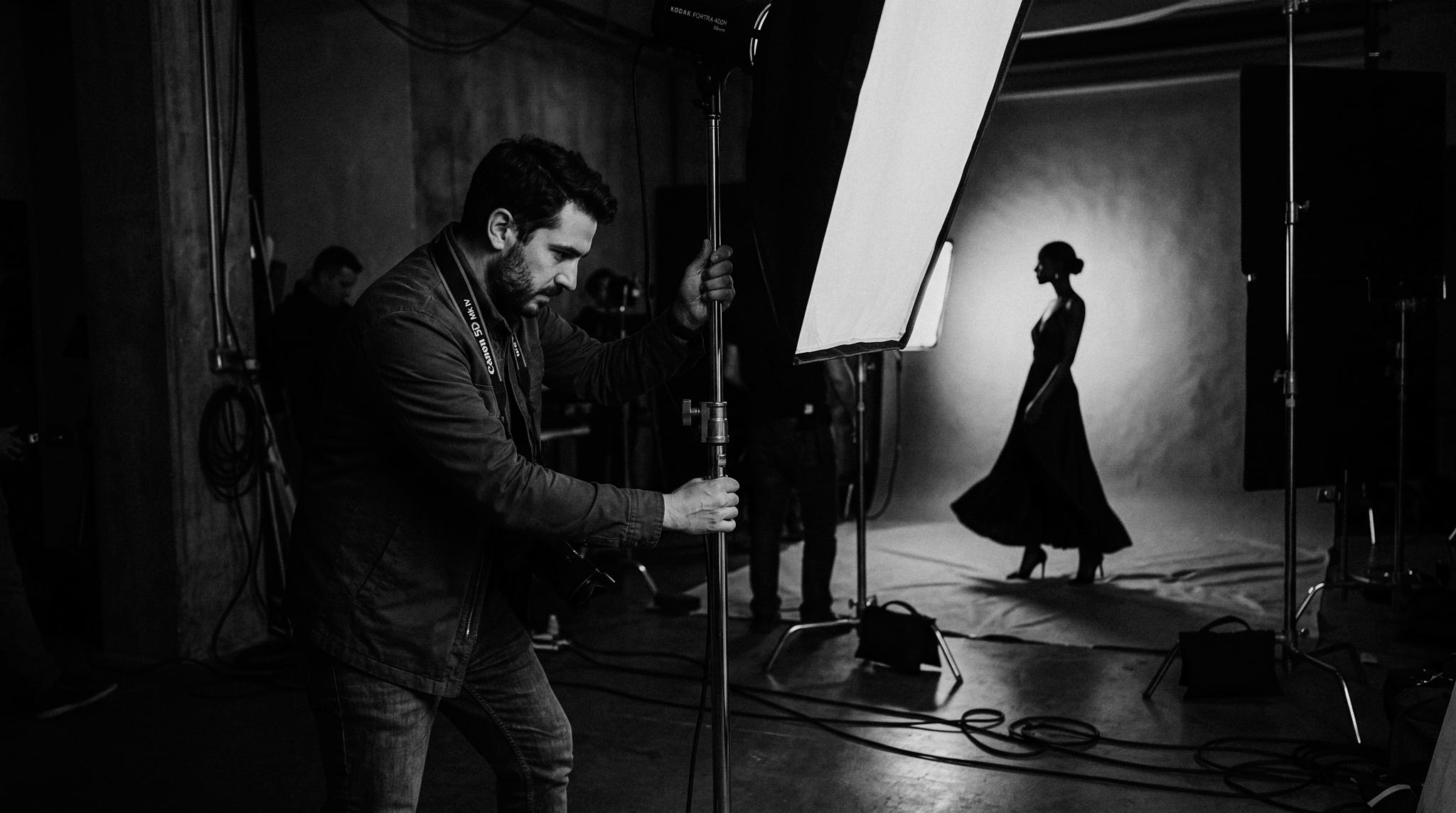
The camera is the least important tool
This sounds contradictory coming from someone who makes a living from photography, but it's true: the camera you use matters far less than the market makes you believe. I've produced excellent campaigns with mid-range gear, and seen shoots with $10,000 cameras that look flat and lifeless.
What actually moves the needle:
- Light — understanding how to shape it, not just have it
- Timing the gesture — that split second when the model stops posing and starts being
- Post-production — color grading and retouching define 40% of the final result
- Visual consistency — a campaign feels premium when every image belongs to the same visual family, not when each photo fights for attention
How to choose the right photographer for your brand
If you run a fashion brand and you're evaluating who to work with, ask these questions before looking at the portfolio:
- Do they understand my brand, or just know how to take pretty pictures? A good director of photography will ask about your ideal customer before talking about cameras.
- Do they have a recognizable style? If their portfolio looks generic — well-lit but interchangeable with any other photographer — you won't build a distinctive visual identity.
- Can they direct, not just shoot? The difference between telling a model "pose like this" and creating an environment where the model naturally finds the right gesture shows in every image.
The future: fashion photography powered by artificial intelligence
Something I'm actively integrating into my work — and that very few fashion photographers anywhere are exploring yet at this level — is the use of AI tools like Midjourney, Kling, and Higgsfield within the creative process. Not as a replacement for traditional photography, but as an accelerator for concept development and production.
This isn't science fiction or a passing trend. It's a new layer of creative direction: being able to visualize campaign concepts before the shoot, generate complementary content that extends a brand's visual universe, and produce more output without sacrificing the human eye that determines whether something feels premium or generic.
I go deeper into this in the next article, because it deserves its own space — it's honestly the biggest shift I've seen in my career.
The bottom line
Fashion photography that actually works isn't about showing clothes. It's about making someone imagine a better version of themselves wearing it. That requires creative direction, not just camera technique — and it requires a photographer who understands your brand before they pick up the equipment.
Does your brand need visual content that actually sells, not just decorates?
I work with fashion, shapewear, and eCommerce brands across Colombia and the United States, combining traditional creative direction with AI-powered production.
Let's talk about your next campaign